Microwave Ovens Explained: Which Type Fits Your Kitchen
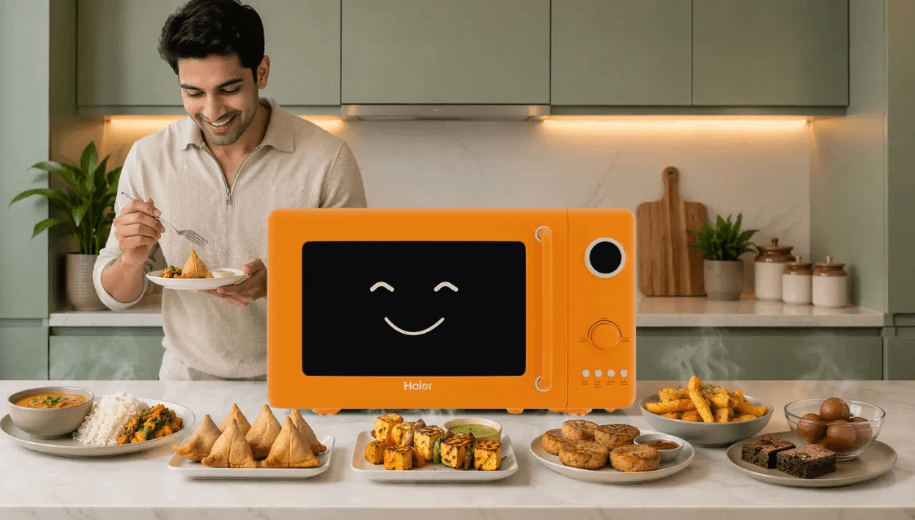
Walking into an appliance store and facing a wall of microwaves can feel overwhelming. Some models look like simple countertop boxes, others come with grill racks, and a few even promise to air-fry your snacks. Understanding microwave oven types before you shop is the easiest way to avoid buying a machine that does less — or costs more — than what your kitchen actually needs. Each category is built around a different cooking method, and knowing the difference can save you both money and counter space.
Solo Microwave Ovens
The solo microwave is the most familiar type, and usually the most affordable. It relies purely on microwave radiation to heat and defrost food quickly and evenly. There is no browning, no crisping, and no grilling element inside — just fast, dependable reheating.
This makes solo models a strong choice for:
- Reheating leftovers and ready meals
- Defrosting frozen ingredients before cooking
- Warming drinks, sauces, or baby food
- Small households or dorm-style kitchens with limited counter space
Many solo units today include smart inverter technology, which adjusts power output continuously instead of cycling on and off. The result is more uniform heating, since food warms evenly from edge to center rather than developing hot spots and cold patches. If your main use case is speed and simplicity, a solo microwave is usually all you need.
Grill Microwave Ovens
Grill microwaves add a heating element, typically mounted at the top of the cavity, that browns and crisps food the way a small oven or open flame would. This lets you toast, grill, or lightly roast items such as chicken pieces, vegetables, or sandwiches, in addition to standard microwave functions.
A grill microwave is worth considering if you regularly want:
- A crisp or browned finish on meats and vegetables
- Faster grilling than a full-size oven, without heating the whole kitchen
- One appliance that covers both reheating and light grilling duties
Some higher-end grill models add features like a charcoal-style lighting grill, which uses infrared heat to mimic the deep, smoky results of traditional charcoal cooking, or a dual top-and-bottom heater so both sides of the food cook at once. These extras close the gap between a microwave and a genuine outdoor grill, which is useful for anyone who wants restaurant-style texture without extra equipment.
Convection and Multi-Heating Microwaves
At the premium end sit convection, or multi-heating, microwaves. These combine microwave energy with a fan-driven convection heater, so they can bake, roast, and brown food much like a conventional oven — while still offering the speed of microwave cooking when you need it. Many also include an air fry mode, letting you make crunchy snacks with little to no added oil, which appeals to households trying to cut down on fried food without giving up the texture.
An LG microwave from this category typically pairs multi-heating with a sleek, kitchen-friendly design, so the appliance doubles as both a cooking tool and a visual upgrade to the counter. Features such as EasyClean interiors, slim profiles, and LED interior lighting are common in these ranges, aimed at households that want one versatile machine instead of separate small appliances for baking, grilling, and reheating.
See also: The Art of Living: Why Versatile Seating is the Future of Home Comfort
How to Decide
Choosing between these categories comes down to how you actually cook, not how many features a model advertises. A few questions can narrow things down quickly:
- Do you mostly reheat and defrost, or do you cook full meals in the microwave?
- Is a crisp, grilled finish important to you, or is speed the priority?
- Do you have counter space for a larger convection unit, or do you need something compact?
- Would features like air frying or a charcoal-style grill actually get regular use, or would they sit unused?
Capacity matters too. A small 20-liter solo unit suits singles or couples, while families often prefer 30 liters or more, especially if grilling or baking full trays is part of the plan. Wattage is another practical signal: higher-wattage models generally cook faster, which matters if the microwave is doing heavy daily duty rather than occasional reheating.
In the End
There is no single “best” microwave type — only the one that matches how your household actually cooks. A solo model handles the everyday basics without fuss, a grill microwave adds texture and versatility for weeknight meals, and a convection or multi-heating unit replaces several small appliances at once for those who bake and roast often. Before your next purchase, take a moment to think about your last week of cooking: how many of those meals would have been faster, easier, or tastier with the right microwave type on your counter?