Understanding Plaster Drying Times: A Complete Guide
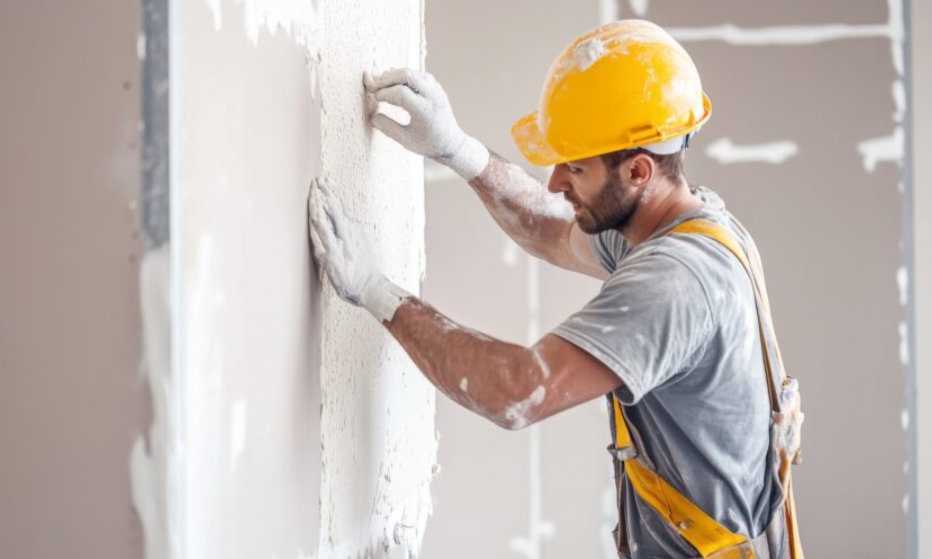
When undertaking plastering work, knowing how long it takes for different types of plaster to dry is crucial for planning your project effectively. Drying time can affect painting, decorating, and finishing schedules, and understanding the specifics can save both time and money. From lime plaster to gypsum, each material behaves differently, making it essential to understand how long does plaster take to dry. For a detailed guide, you can visit this helpful resource on how long does plaster take to dry.
Factors Affecting How Long for Plaster to Dry
The drying process of plaster depends on multiple factors. These include the type of plaster used, ambient temperature, humidity, thickness of the plaster coat, and ventilation in the room. Knowing these variables helps in estimating how long for plaster to dry accurately. For instance, thick layers of plaster or plaster applied in poorly ventilated areas will take significantly longer to dry than thinner coats in well-ventilated spaces.
Lime Plaster Drying Time: What to Expect
How long does lime plaster take to dry is a common question for builders and DIY enthusiasts alike. Lime plaster dries through a process called carbonation, where it reacts with carbon dioxide in the air. This means drying is slower compared to gypsum plaster and can take anywhere from 7 to 14 days for a standard 12mm coat. Factors such as humidity, temperature, and airflow can affect this, sometimes extending the lime plaster drying time even further.
Lime plaster is appreciated for its breathability and durability, but patience is required because rushing the drying process can lead to cracking and poor finishes. Understanding how long does lime plaster take to dry ensures you schedule subsequent painting or decoration correctly.
See also: The Ultimate Guide to Proteins in Sport Nutrition
Gypsum Plaster Drying Time
In contrast, gypsum plaster drying time is typically shorter than lime plaster. Gypsum dries through the evaporation of water rather than carbonation, which allows for faster setting and drying. A 10-12mm coat of gypsum plaster can generally be dry to the touch within 24 to 48 hours, though complete drying may take up to a week depending on environmental conditions. Knowing gypsum plaster drying time is vital for homeowners and contractors to prevent issues when painting or applying finishes.
Bonding Plaster: How Long Does It Take to Dry
Before applying the main plaster coat, a bonding coat is often used to ensure adhesion, especially on rough or uneven surfaces. Many ask how long does bonding take to dry, and the answer depends on the plaster type and conditions. Typically, a bonding coat dries within 24 to 48 hours, providing a stable base for finishing layers. Proper drying of the bonding layer is essential to prevent cracking and peeling, making it an important step in the overall plastering process.
Comparing Drying Times: Lime vs Gypsum
When deciding between lime plaster and gypsum plaster, how long for plaster to dry is a critical factor. Lime plaster is ideal for heritage projects and areas requiring breathability, but its drying time is significantly longer due to carbonation. Gypsum plaster, on the other hand, is faster to set and suitable for modern interiors where time efficiency is a priority. Understanding how long does plaster take to dry for each type ensures informed material selection.
Tips to Ensure Proper Plaster Drying
- Maintain Adequate Ventilation: Good airflow accelerates drying, especially for lime plaster.
- Control Humidity: Avoid high moisture levels in the room, which can extend drying times.
- Apply Correct Thickness: Thicker coats increase lime plaster drying time and may require more patience.
- Avoid Direct Heat: Using heaters or blowers might speed surface drying but can cause cracks; natural drying is preferable.
- Check Bonding Coat: Ensure the bonding plaster is fully dry before applying subsequent layers to prevent adhesion issues.
Planning Projects Around Drying Times
Understanding how long for plaster to dry allows for better project scheduling. For example, if using lime plaster, planning for a drying period of at least 10-14 days for finishing ensures durability and prevents damage. For gypsum plaster, a shorter drying period of 2-7 days allows for quicker decoration but still requires monitoring to ensure complete drying. Knowing how long does plaster take to dry, including both bonding and finishing layers, is crucial for avoiding costly mistakes.
Conclusion: Mastering Plaster Drying Times
Knowing how long does plaster take to dry, whether it’s lime or gypsum, and understanding lime plaster drying time versus gypsum plaster drying time, is essential for successful plastering projects. Additionally, accounting for how long does bonding take to dry ensures strong adhesion and a flawless finish. By considering factors like thickness, humidity, and ventilation, you can accurately estimate how long for plaster to dry, allowing for smooth project progression and long-lasting results. Proper planning and patience during drying phases ultimately lead to professional-quality plaster finishes every time.