Getting More from Your Tobacco Leaf Cutting Machine: Efficiency and Workflow Tips
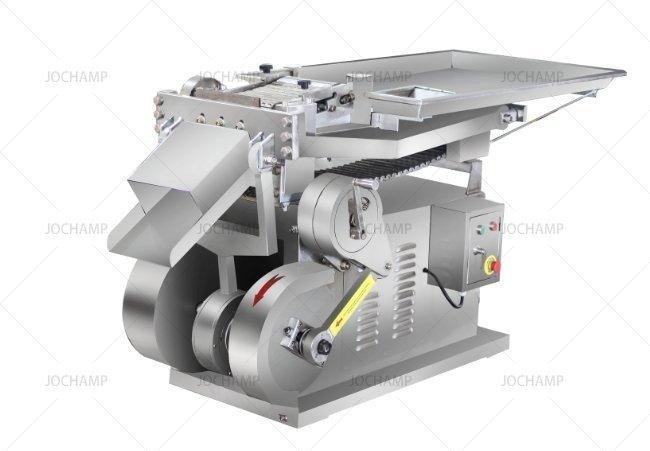
A tobacco leaf cutting machine can cut all day, but the difference between a good shift and a great one lies in how the work around it is organised. Small improvements in preparation, scheduling and workflow add up to more output, less waste and a calmer working day. None of them needs new equipment, only a better way of working.
Organise the Day Around the Cutter
The cutter should never wait for leaf. Prepare the next batch while the current one is cutting, so conditioned leaf is ready the moment the feed runs clear. This simple overlap keeps the machine running instead of standing idle while the next lot is prepared.
Plan the order of work on the tobacco leaf cutting machine too. Run similar blends together so changeovers are short, and save the most demanding cuts for the part of the day when the team is freshest. A tobacco leaf cutting machine that runs in a steady rhythm, without long gaps, produces more in a shift than one that stops and starts.
Prepare in Batches, Not Drips
Conditioning leaf takes time, and it is far more efficient to prepare a full shift’s worth in a planned sequence than to condition small amounts as needed. Work out how much leaf the cutter will use in a shift, condition it in lots and keep each lot covered so its moisture stays steady until it is needed.
Keep the prepared leaf close to the cutter. Carrying lots across the workshop wastes time and risks drying or damage. A short, clear path from the conditioning area to the feed keeps the workflow smooth.
Reduce Changeover Time
Changeovers between blends or cut widths cost production time, so make them as quick as possible. Keep the tools needed for adjustments in one place near the machine. Write down the settings for each blend and cut type, so the operator restores them directly instead of searching by trial and error.
Clean the feed area during the changeover rather than treating cleaning as a separate job. A quick brush-down while the settings are being changed costs no extra time and prevents the last batch from contaminating the next.
5 Ways to Raise Output Without New Equipment
- Prepare the next batch while the current one is cutting, so the machine never waits.
- Group similar blends together to shorten changeovers.
- Record settings for every blend and cut, so changeovers are exact and fast.
- Keep blades sharp on schedule, because a sharp cutter wastes less leaf.
- Place prepared leaf, tools and collection bins within easy reach of the operator.
Cut Waste at the Source
Waste usually comes from the same few causes: dull blades, dry leaf, uneven feeding and poor settings. Each one is preventable. Sharpen blades before they dull, condition leaf evenly, feed in a steady layer and check the first sample of every batch. The leaf saved by these habits is product that can be sold instead of swept up.
Sieve the cut and weigh what comes off as dust. If the dust level rises, something has changed, and finding it early saves far more leaf than finding it at the end of the day.
See also: The Intersection of Technology and Mental Health
Keep the Machine in Good Order
A well-maintained tobacco leaf cutting machine runs faster and more evenly than a neglected one. Daily cleaning, regular lubrication and prompt attention to small faults keep the machine at its best. A machine that is looked after rarely surprises you with a breakdown in the middle of a busy shift.
Keep a simple log of output, waste and downtime. Over a few weeks, the log shows where time is lost and where the workflow can improve. Decisions based on the log are far better than guesses.
Involve the Team
The people who run the machine every day know where time is wasted. Ask them. An operator may notice that the leaf trolley is too far away from the tobacco leaf cutting machine, or that a particular blend always needs a second adjustment. Small suggestions from the team often produce the biggest gains, and acting on them keeps morale high.
A short weekly chat about what went well and what slowed things down keeps improvements coming. Efficiency is a habit, not a project, and it grows from the team that does the work.
Measure What Matters
You cannot improve what you do not measure. Track three numbers each week: kilos cut, kilos wasted as dust, and minutes lost to stoppages. A tobacco leaf cutting machine that is running well shows steady output, low waste and few stoppages. When one of those numbers moves in the wrong direction, you know where to look. Review the figures with the team each week, celebrate the gains and agree on the next small improvement to try.
Frequently Asked Questions
What is the simplest way to increase daily output?
Keep the cutter fed without gaps. Preparing the next batch while the current one runs is the single biggest gain for most workshops.
How do I know if my workflow is inefficient?
Look at the log. If the machine stands idle waiting for leaf, or changeovers take longer than the cutting itself, the workflow needs attention.
Does a sharp blade really affect output?
Yes. A sharp blade cuts cleanly with less waste and less strain on the machine, so the line runs faster and produces more saleable product.
Final Thoughts
Getting more from a tobacco leaf cutting machine is mostly about organisation: prepare ahead, shorten changeovers, keep blades sharp and listen to the team. These habits cost little and deliver steady gains in output, quality and calm. The machine does the cutting, but the workflow around it decides how much it achieves.