How Chicago Homeowners Can Improve Electrical Safety in Older Residential Buildings
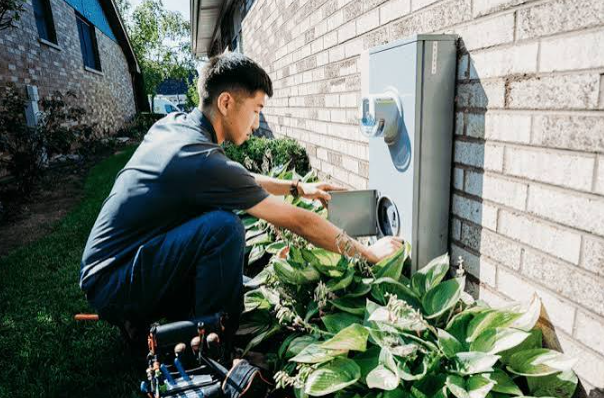
Older residential buildings often have unique architectural features, established layouts, and construction materials that reflect the period in which they were built. However, their electrical systems may have been installed when household electricity consumption was significantly lower than it is today. As modern appliances and electronic devices become more common, maintaining suitable electrical infrastructure is increasingly important.
For Chicago homeowners, understanding the condition of existing electrical equipment can help prevent unexpected power interruptions, identify potential safety hazards, and prepare properties for future improvements. Professional electrical assessments provide valuable information about whether older installations remain appropriate for current household requirements.
Understanding Electrical Challenges in Older Chicago Homes
Chicago contains many residential properties constructed during different periods of urban development. These homes may have electrical installations that have undergone multiple repairs, modifications, or expansions.
Older electrical infrastructure is not automatically unsafe, but certain installations may contain components that require professional attention.
Electrical problems can develop because of aging wiring, deteriorating connections, incompatible components, or increased household electricity demand.
A comprehensive inspection helps determine the actual condition of an installation rather than relying solely on the building’s age.
Why Electrical Safety Should Be a Priority
A properly functioning electrical system supports daily household activities while helping protect wiring and connected equipment from excessive current.
Several factors make electrical safety particularly important in older properties.
Protection Against Electrical Fires
Loose connections, damaged insulation, and unsuitable electrical components can create overheating conditions.
Professional maintenance helps identify and correct defects that may increase fire risks.
Reliable Power Distribution
A properly designed distribution system supplies electricity through circuits appropriate for connected appliances.
Reliable circuit arrangements help reduce unnecessary interruptions.
Support for Modern Appliances
Modern kitchens, heating equipment, and cooling systems may require more electrical capacity than older installations were designed to provide.
Professional planning helps ensure these loads are accommodated safely.
Improved Maintenance Accessibility
Properly organized and labeled electrical circuits make inspections, troubleshooting, and future modifications more convenient.
Common Electrical Problems Found in Older Properties
Several issues may affect the safety and performance of aging residential electrical installations.
Deteriorating Wiring Insulation
Electrical insulation can become damaged through physical wear, environmental exposure, or improper installation.
Damaged insulation may create electric shock or short-circuit hazards.
Loose Electrical Connections
Loose connections can produce excessive heat and damage nearby components.
These conditions require professional investigation and repair.
Outdated Protective Devices
Some older installations may lack protective features required for certain new or modified circuits under applicable electrical codes.
Qualified electricians can evaluate existing equipment and recommend necessary improvements.
Limited Circuit Availability
Additional appliances and renovated rooms may require new electrical circuits.
Older distribution equipment may have insufficient space or capacity for these additions.
Moisture-Related Damage
Basements and utility areas may experience humidity or water intrusion.
Moisture can contribute to corrosion and affect the reliability of electrical components.
Warning Signs That Require Professional Inspection
Homeowners should recognize electrical warning signs before they develop into more serious conditions.
Common symptoms include:
- Frequently tripping circuit breakers.
- Flickering or unexpectedly dimming lights.
- Burning odors near electrical equipment.
- Persistent buzzing or crackling sounds.
- Visible rust or corrosion.
- Damaged electrical enclosures.
- Unexpected interruptions in electricity.
- Signs of overheating around outlets or electrical equipment.
These symptoms can indicate different underlying problems. Professional inspection is necessary to determine their causes.
If smoke, visible sparking, or an immediate fire hazard occurs, homeowners should stay away from the equipment and contact emergency services.
When Should Homeowners Consider Electrical System Modernization?
Electrical modernization may become necessary when an existing installation contains deteriorating components, lacks suitable circuit arrangements, or cannot safely accommodate household electricity requirements.
In some situations, an electrical panel upgrade Chicago service may help homeowners evaluate their distribution equipment and determine whether increased capacity, additional circuits, or equipment modifications are necessary.
A licensed electrician can inspect the existing installation, perform appropriate load calculations, and recommend improvements according to the property’s condition and applicable local requirements.
Not every electrical problem requires extensive modernization. Certain issues can be resolved through professional repairs or replacement of individual compatible components.
Important Considerations Before Renovating an Older Home
Home renovations can introduce additional electrical demands that should be evaluated before construction begins.
Existing Electrical Capacity
A professional load calculation helps determine whether the current installation can accommodate planned electrical equipment.
Condition of Household Wiring
Existing wiring should be evaluated for deterioration, improper connections, or other safety concerns.
Kitchen Appliance Requirements
Modern kitchen appliances may require dedicated circuits depending on their electrical specifications.
Heating and Cooling Equipment
New heating systems, air conditioners, and heat pumps may increase household electricity demand.
Future Technology Installations
Electric vehicle charging equipment, additional appliances, and home automation systems may influence future electrical requirements.
How Professional Electrical Inspections Are Performed
Qualified electricians use appropriate procedures to evaluate residential electrical infrastructure.
Initial Equipment Assessment
The electrician examines accessible equipment and reviews any reported electrical problems.
Circuit Protection Evaluation
Circuit breakers and other protective components are assessed for suitability and compatibility.
Wiring Condition Review
Qualified professionals investigate deteriorating wiring, damaged insulation, and improper connections where accessible.
Electrical Load Calculation
The property’s current and planned electrical requirements are evaluated using applicable calculation methods.
Recommendations and Documentation
The electrician explains identified concerns and recommends repairs or modifications based on inspection findings.
Preventive Maintenance Tips for Older Residential Buildings
Proper maintenance helps homeowners preserve electrical reliability and recognize potential problems early.
Maintain Clear Access to Electrical Equipment
Avoid storing furniture, boxes, or household materials directly in front of distribution equipment.
Adequate working clearance allows professionals to perform maintenance safely.
Protect Electrical Installations From Water
Plumbing leaks, basement moisture, and water intrusion can damage electrical components.
Affected equipment should be evaluated by a qualified professional.
Avoid Excessive Circuit Loading
High-powered appliances should be connected to appropriately rated circuits.
Recurring breaker trips should be investigated rather than ignored.
Keep Circuit Labels Accurate
Clearly identified circuits make troubleshooting and professional maintenance more efficient.
Arrange Periodic Inspections
Older homes and properties experiencing recurring electrical issues may benefit from professional assessments.
Why Qualified Electricians Are Essential
Electrical distribution equipment contains components that may remain energized even when the main breaker is switched off.
Attempting internal electrical repairs without appropriate qualifications can expose homeowners to serious shock and burn hazards.
Licensed electricians have the specialized training, technical knowledge, and equipment required to evaluate and maintain electrical installations safely.
Professional services also help ensure that modifications comply with applicable Chicago electrical codes, permits, and inspection requirements.
Long-Term Benefits of Maintaining Safe Electrical Infrastructure
Maintaining suitable electrical equipment provides important advantages for older residential properties.
Professional inspections can identify deteriorating components before they cause significant problems.
Properly planned improvements can also help homeowners accommodate modern appliances, renovations, and changing electricity requirements.
Documenting completed electrical work supports organized property maintenance and provides useful information for future inspections.
By taking a proactive approach to electrical safety, homeowners can preserve their properties while improving reliability and reducing avoidable hazards.
Conclusion
Older Chicago homes can continue providing safe and comfortable living environments when their electrical infrastructure receives appropriate professional attention.
Understanding common electrical problems, recognizing warning signs, and evaluating household electricity requirements can help homeowners make informed maintenance decisions.
With qualified inspections, suitable equipment, and preventive maintenance, residential properties can maintain dependable electrical performance while supporting the changing needs of modern households.