Dedicated Nebraska Fire Watch Services Maintain Vigilance During Major Building Renovations
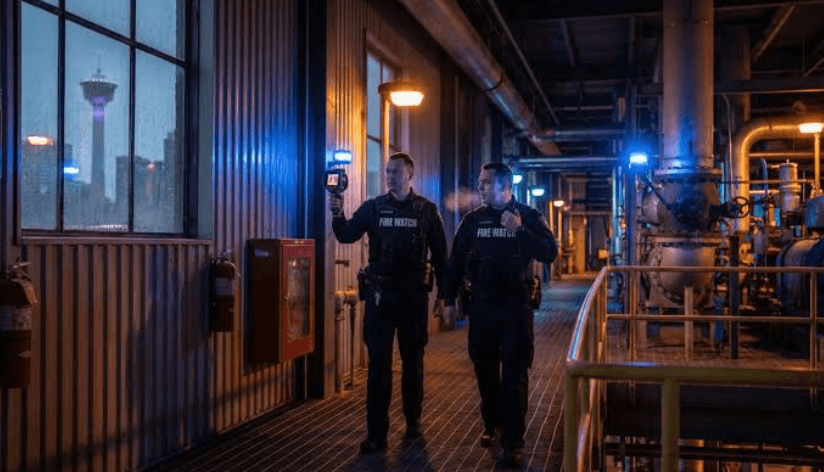
Building improvement work can temporarily change normal protection arrangements. During these periods, Nebraska fire watch services provide organized observation when regular safety equipment cannot offer full coverage. Planned patrols help responsible teams watch affected spaces while repair work continues.
Dedicated Nebraska Fire Watch Services Maintain Vigilance During Major Building Renovations explains the value of careful supervision during major property changes. Searchers usually want clear information about patrol duties plus temporary protection requirements. They also need to understand when additional observation becomes useful.
Without an organized process, duties can overlap or important spaces can receive limited attention. Clear assignments reduce these mistakes. A structured plan connects patrol routes, records plus reporting duties to current building conditions.
Structured Monitoring Creates Clearer Responsibilities
A planned approach works better than relying on instinct because every worker receives defined duties. Managers can also review completed checks without guessing whether vulnerable areas received proper observation.
Important Points
- Defined patrol routes keep affected building areas under regular observation.
- Written assignments give responsible personnel clear duties throughout every shift.
- Reporting procedures help unusual conditions reach supervisors without unnecessary delays.
- Updated schedules reflect changing work areas throughout each renovation stage.
Why It Matters?
Organized supervision reduces uncertainty when normal systems are temporarily unavailable. It also helps managers adjust coverage as work moves between different parts of the property.
Clear Records Support Better Oversight
Written records show where checks occurred plus when each round was completed. These details provide useful continuity when responsibilities move between different shifts.
What to Focus On
- Record every completed patrol using clear times plus exact locations.
- Note unusual conditions promptly so supervisors receive useful information quickly.
- Keep shift records readable for personnel beginning later monitoring duties.
- Review earlier entries before assigning routes for upcoming observation periods.
- Document changed work zones whenever construction activity moves between sections.
- Report blocked passages before planned rounds begin across affected areas.
- Confirm temporary assignments whenever normal protection equipment remains unavailable longer.
- Store monitoring information consistently for easier management review afterward.
Long Term Value
Good documentation creates a dependable history of temporary monitoring activity. However, records only remain useful when entries are accurate plus completed at the proper time.
Temporary Equipment Gaps Need Attention
Protection equipment may become unavailable during replacement or planned maintenance. Temporary observation provides additional awareness while normal safeguards remain interrupted.
Useful Actions
Before work begins, managers should identify which areas will be affected. They should also confirm expected repair periods plus current occupancy conditions.
During extended projects, Nebraska fire watch services can support structured monitoring across spaces requiring temporary attention. This method works best when assignments follow current conditions. Unexpected repair delays remain a realistic limitation because coverage periods may need revision.
Community Benefits
Careful temporary supervision supports safer surroundings for workers plus occupants. Clear responsibilities also reduce uncertainty around ongoing building changes.
Monitoring Needs Across Project Stages
The table below shows how observation priorities may change during different phases.
| Project Stage | Main Concern | Suitable Response | Review Need |
| Early preparation | Changing room use | Define initial routes | Daily |
| Equipment shutdown | Reduced normal coverage | Increase observation | Each shift |
| Active construction | Restricted movement | Adjust patrol direction | Frequently |
| System testing | Temporary interruptions | Watch affected sections | During testing |
| Work completion | Returning safeguards | Confirm restored coverage | Before ending |
The table shows that one arrangement cannot suit every stage. Managers should revise responsibilities whenever work progress changes the property’s operating conditions.
Common Questions About Renovation Monitoring
- When should temporary monitoring begin?Monitoring should start when required protection equipment becomes unavailable.
- What should patrol records contain?Records should identify times, locations plus notable observations clearly.
- Should routes remain unchanged throughout renovation work?No. Routes should reflect current work zones plus available passages.
- Who should receive unusual condition reports?Reports should reach the responsible manager through established communication procedures.
- When should temporary observation stop?Coverage should end after required safeguards return to proper operation.
See also: Desktop CNC vs Laser Engraver: Which Tool Should You Start With?
Consistent Oversight Supports Safer Progress
Careful supervision depends on repeatable duties plus timely updates throughout improvement work. Accurate logs allow supervisors to judge whether current arrangements remain suitable. Regular checks help temporary measures evolve as building conditions develop. Disciplined execution produces stronger results than complicated plans that workers cannot maintain. Reliable Nebraska fire watch services therefore support practical continuity through steady observation plus thoughtful review.