Horizontal Form Fill Seal Machine: The Complete Guide
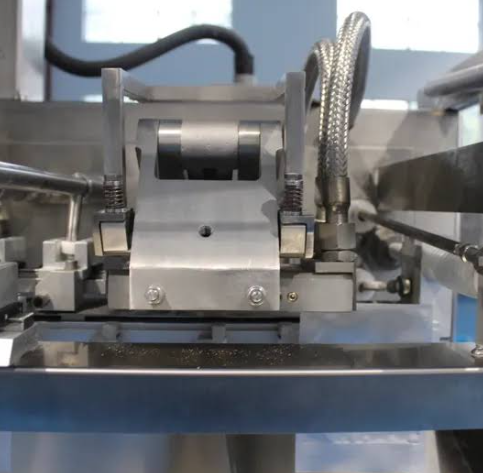
A horizontal form fill seal machine often called an HFFS machine or flow wrapper, packages products by forming, filling, and sealing film all in one horizontal motion.
If you package bakery goods, bars, hardware, or any single solid item, this machine could be exactly what your line needs. This guide explains how it works, where it shines, and how to choose the right model for your business.
Table of Contents
- What Is a Horizontal Form Fill Seal Machine?
- How Does It Work?
- Key Benefits
- Types of HFFS Machines
- HFFS vs Other Packaging Machines
- Industries That Use HFFS Machines
- How Much Does It Cost?
- How to Choose the Right Machine
What Is a Horizontal Form Fill Seal Machine?
A horizontal form fill seal machine wraps products by pulling flat film from a roll, forming it around the product, and sealing it shut, all while the product moves horizontally along the line.
This is why you will also hear it called a flow wrapper. It is one of the most common packaging methods for products that need a tight, attractive wrap without much wasted material.
How Does It Work?
- Product feeding: Items are placed on an infeed conveyor, spaced evenly using timing screws or pushers.
- Film forming: A roll of film is pulled over the product and folded into a tube shape underneath it.
- Longitudinal sealing: The bottom seam of the film tube is sealed shut using a heated sealing bar.
- Cross sealing and cutting: End seals are applied before and after each product, then the film is cut to separate individual packages.
- Outfeed: Finished packages move to the next stage, whether that is boxing, labeling, or shipping prep.
The whole process happens continuously, which is why HFFS machines can reach very high speeds, often over 100 packages per minute for smaller items.
Key Benefits
- Less material waste, since film wraps tightly around the product shape.
- High speed output, making it ideal for large production runs.
- Strong shelf appeal, since wrapped packages look clean and professional.
- Flexible sizing, since machines can adjust to different product lengths and widths.
- Compatible with gas flushing, which helps push oxygen out for longer shelf life.
Types of HFFS Machines
| Type | Best For |
| Flow wrap machines | Bakery items, bars, candy |
| Overwrapping machines | Boxes, cartons, multi-packs |
| Pillow pack machines | Snack foods, hardware items |
| Servo-driven HFFS | High-speed, high-precision packaging lines |
Servo-driven machines use digital motor controls instead of mechanical cams, giving more precise control at higher speeds and making changeovers between product sizes much faster.
HFFS vs Other Packaging Machines
| Feature | HFFS Machine | VFFS Machine |
| Best product type | Solid, single items | Powders, liquids, granules |
| Orientation | Horizontal | Vertical |
| Speed | Very high for small items | High for bagged goods |
| Material use | Very efficient | Moderate |
The main difference comes down to product type. If you package solid items like bars or bakery goods, HFFS is usually the better fit. If you package powders or liquids, a vertical form fill seal machine works better.
Industries That Use HFFS Machines
- Food manufacturing: bakery goods, candy bars, cookies, and frozen items.
- Pharmaceuticals: individually wrapped tablets and medical devices.
- Consumer goods: hardware parts, stationery, and promotional items.
- Retail packaging: multi-packs and overwrapped boxed products.
How Much Does It Cost?
| Machine Level | Typical Price Range |
| Entry-level HFFS | $20,000 – $50,000 |
| Mid-range servo-driven HFFS | $50,000 – $120,000 |
| High-speed industrial HFFS | $120,000 – $300,000+ |
Your final cost depends on speed requirements, film compatibility, and any add-on features like gas flushing or automatic date coding.
See also: The 10 Best AI Video Face Swap Tools of 2026
How to Choose the Right Machine
- Check your product size range, since some machines only handle a narrow size window.
- Confirm film compatibility with your supplier before ordering.
- Estimate your required speed based on daily production volume.
- Ask about changeover time if you package multiple product sizes.
- Look for servo-driven models if precision and flexibility matter most.
Frequently Asked Questions
What products are best suited for a horizontal form fill seal machine?
Solid, single items such as bakery goods, candy bars, cookies, and hardware parts work best, since the machine wraps tightly around a fixed product shape.
How fast can an HFFS machine run?
Speeds vary by product size, but many machines run over 100 packages per minute for small items, and servo-driven models can go even faster.
What is the difference between HFFS and a flow wrapper?
They are the same type of machine. Flow wrapper is simply another common name for a horizontal form fill seal machine.
Can an HFFS machine handle multiple product sizes?
Yes, most machines allow size adjustments, though changeover time varies. Servo-driven models typically switch sizes faster than older mechanical models.
Is a horizontal form fill seal machine good for extending shelf life?
Yes, especially when combined with gas flushing, which removes oxygen from the package before sealing to slow down spoilage.
Conclusion
A horizontal form fill seal machine is one of the most efficient ways to wrap solid, single products at high speed with minimal material waste. It works especially well for bakery goods, bars, hardware, and similar items that need a tight, professional-looking wrap.
Before you buy, confirm your product size range, required speed, and film compatibility. Getting these details right upfront will help you choose a machine that keeps your packing line running smoothly for years.