Soil Anchors in Landscaping: Holding Garden Structures Firm
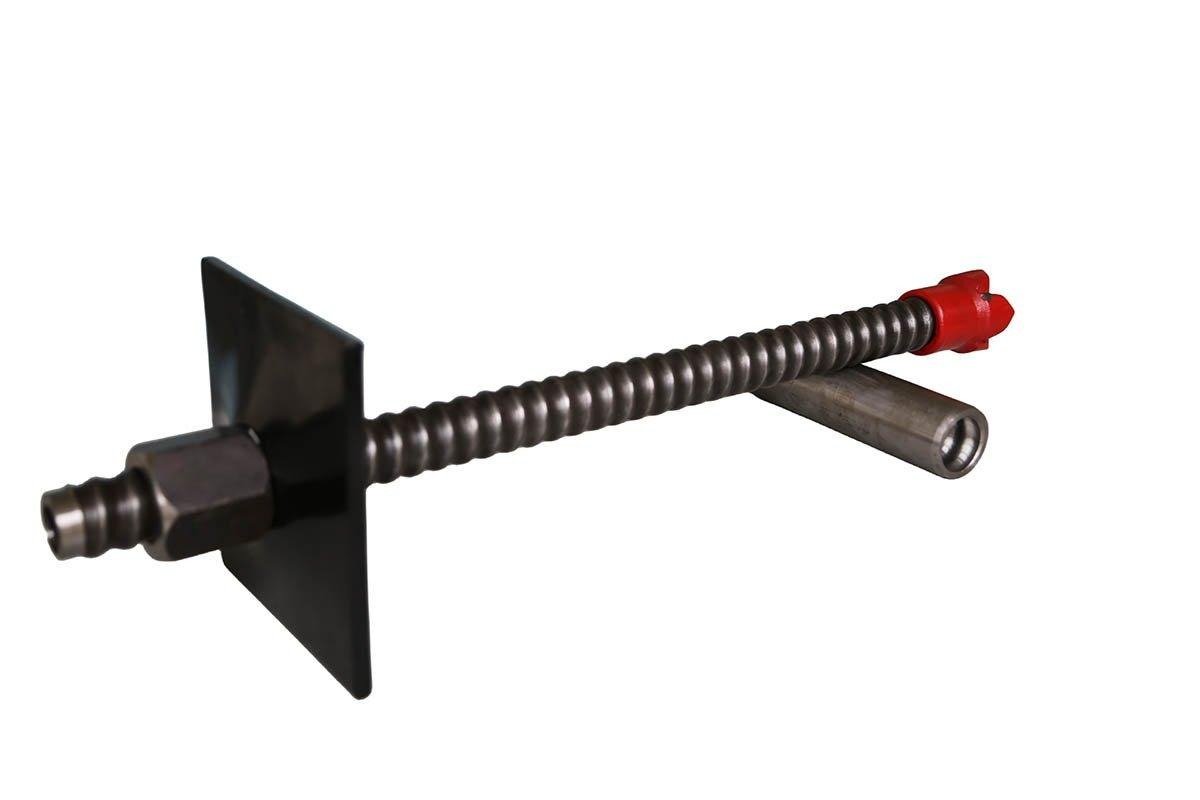
Gardens are full of structures that need to stay put: fences that catch the wind, pergolas that carry climbing plants, retaining walls that hold back a raised bed, and decking that sits on a slope. Traditionally, these were founded on concrete, with all the digging, mess and waiting that involves. Soil anchors offer a lighter alternative, fixing garden structures to the ground with steel tendons and screws, and they are becoming a familiar sight in landscaping. This article explains where soil anchors fit in a garden and how to use them well.
Why Gardens Suit Soil Anchors
Garden projects are usually small, and the loads are modest. A fence post, a pergola leg or a deck frame does not need a tonne of concrete to hold it; it needs a fixing that resists wind uplift and keeps the structure level. Soil anchors do that with a fraction of the digging, which matters when the garden is already planted and the lawn is not something you want to destroy.
Access is another reason. Many gardens cannot take a concrete lorry or a digger, and carrying bags of cement through the house is nobody’s idea of fun. Soil anchors arrive as small steel components, are installed with hand tools or a light driver, and leave the garden largely untouched. For a landscaper working in an occupied home, that is a strong selling point.
Fences, Pergolas and Garden Rooms
Fencing is the most common garden use for soil anchors. A fence acts like a sail in the wind, and the posts take the full force. Screw-in soil anchors, driven into the ground and bolted to the post, hold the fence firmly without a concrete footing at each post. If a post is damaged, the anchor can be reused with a new post, which is quicker and cheaper than breaking out concrete.
Pergolas and arbours benefit in the same way. The posts carry the weight of the frame and the plants that grow over it, and anchors keep them upright through winter storms. Garden rooms and studios, which are heavier, use larger screw anchors or small ground anchor plates, sized to the building and the soil. In each case, the anchor is hidden below ground level, so the finished garden looks clean and uncluttered.
Retaining Walls and Raised Beds
A low retaining wall in a garden holds back soil from a raised bed or a terraced lawn. The wall is small, but the pressure behind it is real, especially after heavy rain. Soil anchors, installed through the wall and grouted into the ground behind it, pull the wall back and stop it leaning forward. They are a neat repair for a wall that has started to bow, and they allow a slimmer new wall than concrete alone would need.
Raised beds are simpler still. Timber or stone beds rarely need anchors, but a tall bed on a slope, or one that carries a fence above it, can benefit from a few anchors tying the structure back into the bank. The work is quick, and the beds can be planted the same day.
Decking and Slopes
Decking on a slope is a classic case for soil anchors. Traditional posts need deep concrete footings, which means digging into the slope and disturbing the ground that holds it together. Screw anchors, driven in at an angle and fitted with adjustable brackets, support the deck frame while leaving the slope intact. The brackets allow the frame to be levelled precisely, even on uneven ground.
Steep banks themselves can be stabilised with soil anchors and a facing of mesh or planting. The anchors tie the surface layers back into stable ground, and the planting grows through the mesh to hide the work. It is a gentler approach than a concrete wall, and it suits gardens where the look of the place matters as much as its stability.
5 Garden Jobs That Suit Soil Anchors
- Fence posts: wind-resistant fixings with no concrete to break out later.
- Pergolas and arbours: upright posts that stay true through winter storms.
- Retaining walls: anchors that pull a leaning wall back into line.
- Decking on slopes: level frames on uneven ground, with minimal digging.
- Garden rooms: firm foundations for a studio, without a concrete slab.
Installation Tips for a Good Result
Start by checking the soil. Most garden soils suit screw anchors, but very soft, made-up ground or ground full of rubble can be troublesome. A trial anchor in the worst spot will tell you what to expect. Mark out positions carefully, keep the anchors vertical unless the design calls for an angle, and check each one as it goes in: steady resistance means a good bite, while free spinning means soft ground and a longer anchor.
Protect the anchors against corrosion. Galvanised steel is standard for garden use, and the coating should not be damaged during installation. Once the structure is fixed, the anchor heads can be hidden with soil or mulch, leaving no trace of the work.
Frequently Asked Questions
Will soil anchors damage my lawn?
Very little. Each anchor disturbs only a small patch, and the grass recovers quickly. That is one of the main advantages over digging concrete footings.
Can I remove soil anchors later?
Yes. Screw anchors can be unscrewed and the hole filled, leaving the ground ready for whatever comes next. Grouted anchors are permanent, so they suit structures that will stay.
Are soil anchors strong enough for a garden room?
Yes, when sized to the building and the soil. A supplier or installer will check the loads and the ground before recommending an anchor size.
Final Thoughts
Soil anchors bring a builder’s technique into the garden, scaled down to fit the job. They hold fences, pergolas, walls and decking firmly, with less digging, less mess and less waiting than concrete. Choose the right anchor for your soil, install it carefully and the garden will stay exactly where you put it.