Inside a Turntable Phono Preamp: Build Quality, Features and What Matters
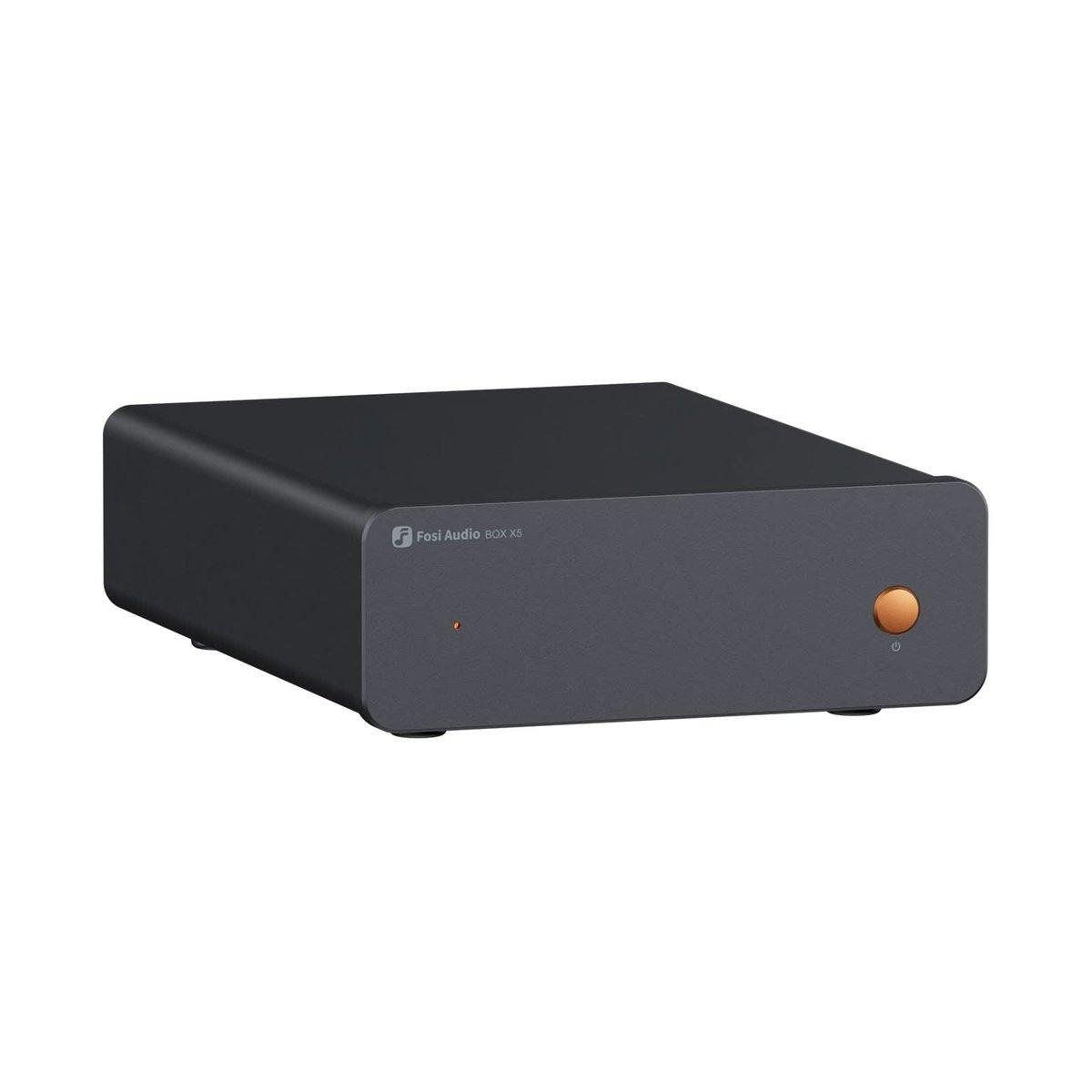
A turntable phono preamp may look like a simple metal box, but what happens inside it decides how your records sound. The circuit has to handle one of the weakest signals in your entire hi-fi system, boosting it thousands of times while adding almost no noise of its own. This guide looks inside the box and explains the build quality and features that genuinely matter, and the ones you can safely ignore.
The Circuit: Where Sound Quality Lives
At the heart of every phono preamp is an amplifier circuit that boosts the cartridge signal and applies the RIAA equalisation curve. The quality of that circuit determines the sound. A well-designed circuit uses good-quality components, careful layout and proper shielding to keep noise out and preserve the detail in the music. A poorly designed circuit adds hiss, hum and distortion that no amount of money spent elsewhere can remove.
The RIAA equalisation network is a critical part of the circuit. It reverses the tonal adjustments made when the record was cut, restoring the bass and taming the treble. If this network is accurate, the music sounds natural and balanced. If it is not, the tonal balance will be wrong, with bass that is too heavy or too light and treble that sounds harsh. Accurate equalisation is not a luxury feature; it is the basic job of the turntable phono preamp, and the best designs get it right.
Power Supply: The Unsung Hero
The power supply is one of the most important parts of a turntable phono preamp, and one of the easiest to overlook. The cartridge signal is so weak that any noise from the power supply will be amplified along with the music. A clean, well-regulated power supply keeps mains hum and electrical interference out of the signal, and that quiet background is what lets you hear the fine detail in a recording.
Many good turntable phono preamps use an external power supply, which keeps the mains transformer away from the sensitive audio circuit. Others use a carefully shielded internal supply. Either approach can work well, provided the design is careful. What matters is the result: a turntable phono preamp that is silent between tracks, with no audible hum or hiss even when the volume is high.
The Case and Shielding
The case of a turntable phono preamp is not just packaging; it is part of the design. A solid metal case shields the sensitive circuit from electrical interference radiated by nearby devices, such as routers, power adapters and amplifiers. A lightweight plastic case offers little protection, and the circuit inside is more vulnerable to hum and noise.
Good cases also help with vibration. A heavy, well-damped case resists the tiny vibrations that can affect the circuit, and it feels solid and reassuring on the shelf. When you handle a turntable phono preamp, the weight and feel of the case are a reasonable guide to the care that went into the design. A well-built unit feels substantial, with firm sockets and switches that move with a positive click.
Gain and Loading Controls
Many phono preamps offer switches for gain and loading, and these controls are worth understanding. Gain sets the amount of boost applied to the cartridge signal. Moving magnet cartridges need lower gain, while moving coil cartridges need higher gain. A switchable gain control lets one phono preamp serve both types, which is useful if you change cartridges later.
Loading adjusts the electrical resistance and capacitance presented to the cartridge, and it affects the frequency response. Moving magnet cartridges are generally happy with standard loading, while moving coil cartridges benefit from adjustable loading that can be tuned to the cartridge. If you own a moving coil cartridge, adjustable loading is a genuinely useful feature. For moving magnet users, it is a bonus rather than a necessity.
Features That Earn Their Place
A subsonic filter is one of the most useful features on a turntable phono preamp. It removes very low-frequency rumble caused by warped records and footfall, which protects your speakers and keeps the bass clean. A mono switch is handy if you play older mono records, and a switchable gain setting gives you flexibility for different cartridges.
Less useful features include digital displays, remote controls and multiple inputs. They add cost and complexity without improving the sound, and they are rarely used in practice. a turntable phono preamp is a device you set once and then forget, so a simple front panel with a power switch is all you really need.
5 Build Quality Signs to Look For
- Solid metal case: good shielding against interference and a reassuring weight.
- Clean power supply: an external supply or a well-shielded internal one, for a quiet background.
- Firm connections: RCA sockets and switches that feel secure and positive.
- Accurate equalisation: a circuit that restores the correct tonal balance.
- Sensible controls: gain and loading switches that suit your cartridge type.
Frequently Asked Questions
Does the case material really affect the sound?
Yes, to a degree. A metal case shields the circuit from electrical interference, which keeps the background quieter.
Is an external power supply better?
It can be, because it keeps the mains transformer away from the audio circuit. But a well-designed internal supply can perform just as well. What matters is the measured noise, not the location of the supply.
Do I need adjustable loading?
It matters most for moving coil cartridges, which are sensitive to loading. For moving magnet cartridges, standard loading is usually fine, and adjustable loading is a bonus rather than a requirement.
See also: The Intersection of Technology and Mental Health
Final Thoughts
The build quality of a turntable phono preamp is not about luxury; it is about giving a fragile signal the best possible chance. A good circuit, a clean power supply, a solid metal case and the right gain and loading controls all work together to keep noise out and let the music through. When you choose a turntable phono preamp, look past the exterior and consider what is inside. The best phono preamp is the one whose design puts sound quality first, and it will reward you with cleaner, fuller and more detailed vinyl sound.